
The rules for implementing a stricter European Union asylum law in Germany cleared the final hurdle in the upper house of parliament or Bundesrat on Friday.
Key points of the reform, which will apply across the EU starting June 12, are mandatory identity checks for people arriving at the EU's external borders.
For people from countries of origin with a low recognition rate, asylum examinations are to take place as part of the border control procedures. If an application is rejected, asylum seekers may be deported directly from there.
Since Germany is in the middle of Europe, it is affected by the external border procedures only with at its international airports and seaports.
Measures against moving on within the EU
Procedures for people seeking protection who have already filed an asylum application in another member state will be shortened. The transfer of asylum seekers to the state responsible for their procedure will be extended, for example if someone goes into hiding in the meantime.
The states can set up so-called secondary migration centres with a residency requirement. These are to house people who have to leave Germany because another EU country is responsible for their procedure.
Solidarity mechanism to help external border states
Heavily burdened states at the EU's external borders are in future to have some asylum seekers taken off their hands. The fact that Germany does not have to take in anyone this year under this solidarity mechanism is partly due to the fact that many asylum seekers and war refugees from Ukraine have come to the Federal Republic in recent years.
The Greens criticized the new rules as the biggest tightening of asylum law since 1993. While European rules had to be implemented, the centre-left coalition had acted with excessive harshness, it said. In the Bundesrat there were discussions, among other things, about provisions affecting minors.
LATEST POSTS
- 1
 US FDA declines to approve Corcept's drug for rare hormonal disorder
 - 2Overhaul Your Rest: Tips for a Serene Evening
- 3Oldest sequenced RNA reveals details about a mammoth’s final moments 40,000 years
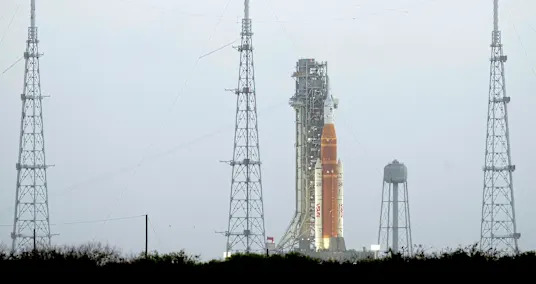
- 4NASA begins fueling rocket to launch astronauts on the first lunar trip in half a century
- 5Kiev declares energy emergency after Russian attacks amid winter cold



- The wolf supermoon will kick off 2026 with a celestial bang. Here's when and how to see it.
- Former Israeli judge does not expect Netanyahu to be pardoned
- Tesla plans to expand production at German car plant
- Jason Kelce opens about wife Kylie Kelce's past pregnancy loss
- As infant botulism cases climb to 31, recalled ByHeart baby formula is still on some store shelves
- Far-right German youth group delegates seek deportations, remigration
- Move. Cheer. Dance. Do the wave. How to tap into the collective joy of 'we mode'
- Climate change is straining Alaska's Arctic. A new mining road may push the region past the brink
- 13 must-see moon events in 2026: Eclipses, supermoons, conjunctions and more